
Wildlife
Sri Lanka Wildlife Safari Guide: Parks, Seasons and Ethics
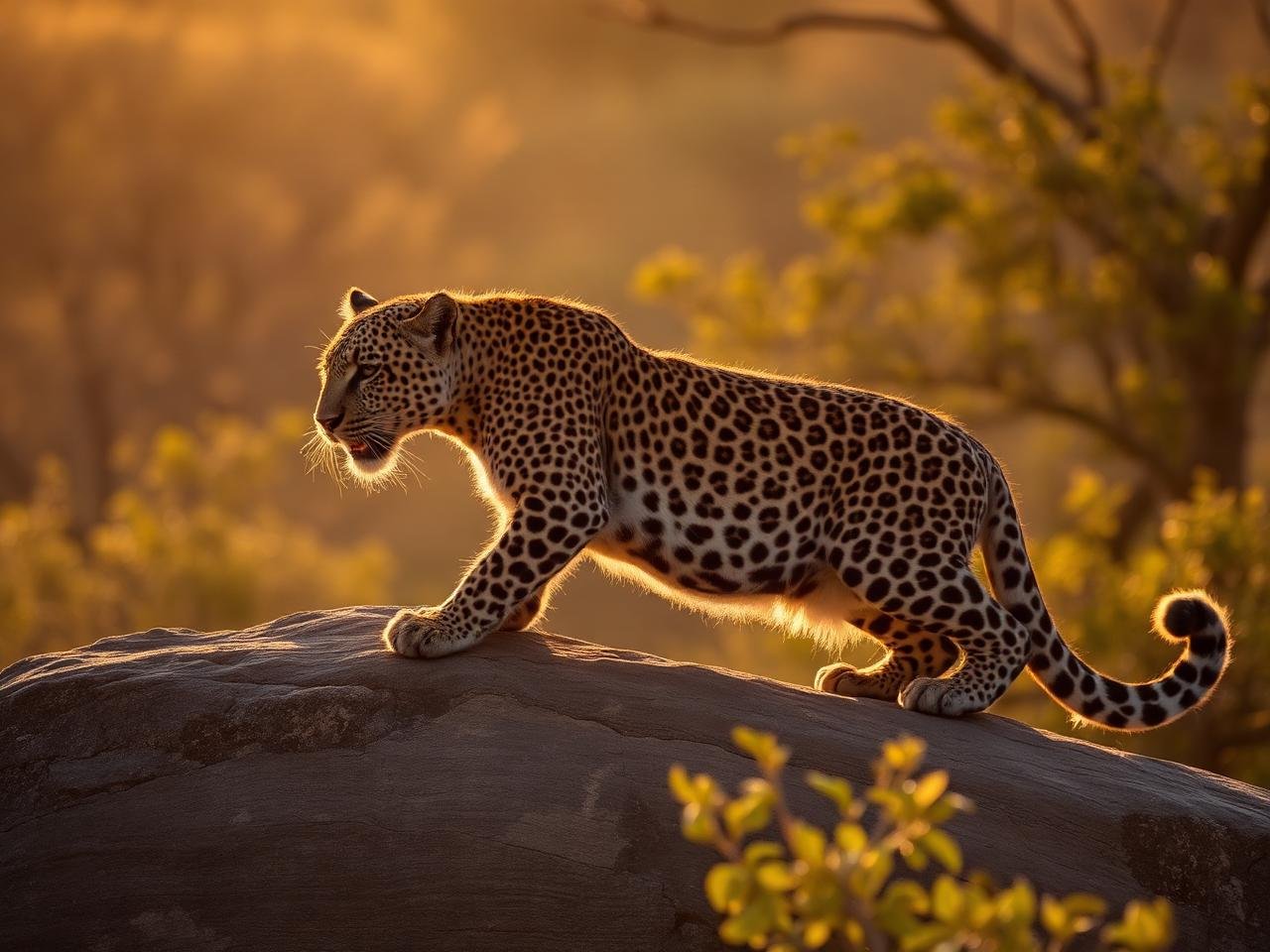
Compare Yala, Udawalawe, Wilpattu and Minneriya, with practical advice for a quieter and more responsible safari.
Why Sri Lanka is exceptional for wildlife
Few islands combine wild Asian elephants, leopards, sloth bears, marine mammals and more than 400 recorded bird species within such manageable distances. A safari can fit naturally between cultural sites, tea country and the coast, making wildlife part of a varied journey rather than a separate expedition.
The quality of the experience depends heavily on the park, time of year, driver and naturalist. Choosing well is more important than simply booking the most famous name.
Yala National Park: leopards and dramatic landscapes
Yala’s Block 1 is celebrated for leopard sightings and a striking mix of scrub, lagoons and rocky outcrops. It can also be busy. A skilled naturalist, an early entry and patience away from vehicle clusters produce a much better experience than racing between reported sightings.
Yala usually closes for several weeks around September or October, but dates vary. Conditions and wildlife movement should always be checked before finalising a route.
Udawalawe: the dependable elephant choice
Open grassland makes Udawalawe one of the island’s most reliable places to observe elephants. It is especially well suited to families, first-time safari travellers and routes linking the hill country with the south coast.
Sightings often include buffalo, crocodiles, raptors and water birds. The landscape is less dense than Yala or Wilpattu, allowing clear observation without depending on a single celebrity species.
Wilpattu: wilderness and space
Sri Lanka’s largest national park is known for natural lakes called villus, mature forest and a quieter sense of scale. Leopards and sloth bears are present, but sightings require time and luck. Wilpattu suits travellers who value the landscape and the process of tracking as much as a checklist.
Its northwestern location combines particularly well with Anuradhapura and can create a thoughtful alternative to the busier southern circuit.
Minneriya and Kaudulla: seasonal elephant gatherings
During the north-central dry season, elephants move through the Minneriya–Kaudulla–Hurulu ecosystem in search of water and fresh grass. The most rewarding park can change from week to week, so local intelligence matters more than booking one gate months in advance.
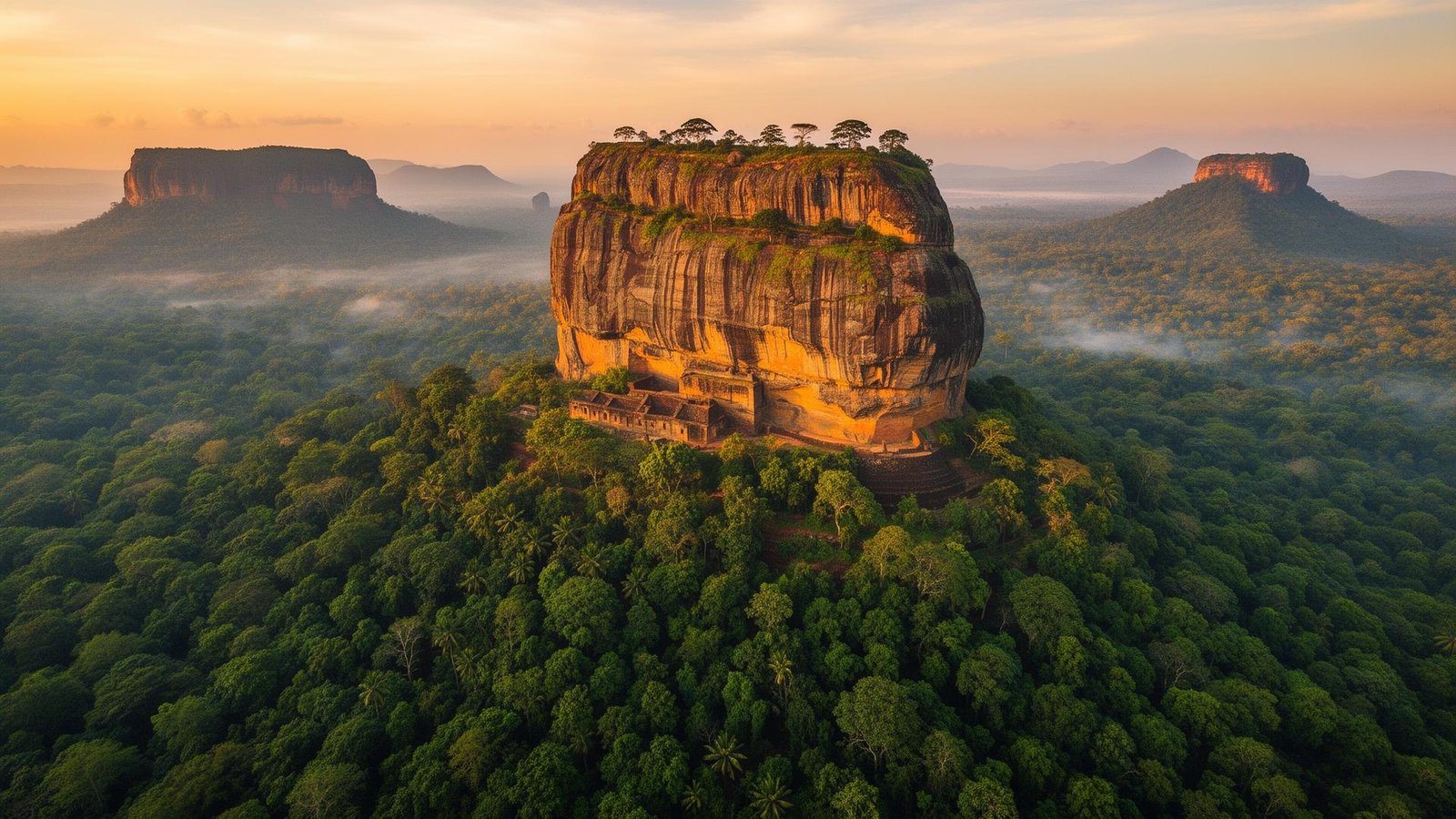
These parks fit easily into a Cultural Triangle stay. Afternoon drives are common, leaving the morning available for Sigiriya or Polonnaruwa.
How to safari responsibly
Responsible safaris keep a respectful distance, never block an animal’s path and avoid pressuring drivers to chase sightings. Noise should be low, food should never be offered and nothing should leave the vehicle except at designated areas.
- Choose a private vehicle with a trained naturalist
- Avoid operators that guarantee leopard or elephant sightings
- Never support elephant riding or direct-contact attractions
- Stay longer at fewer sightings rather than racing through the park
What to bring
Wear neutral, breathable clothing and carry sun protection, water and binoculars. A telephoto lens is useful, but a phone and a good pair of binoculars can be more enjoyable than watching the entire drive through a camera. Morning drives can feel cool before sunrise; an extra light layer is worthwhile.
Continue reading
More Sri Lanka guides

Your journey, designed locally