
Travel planning
Best Time to Visit Sri Lanka: A Month-by-Month Guide
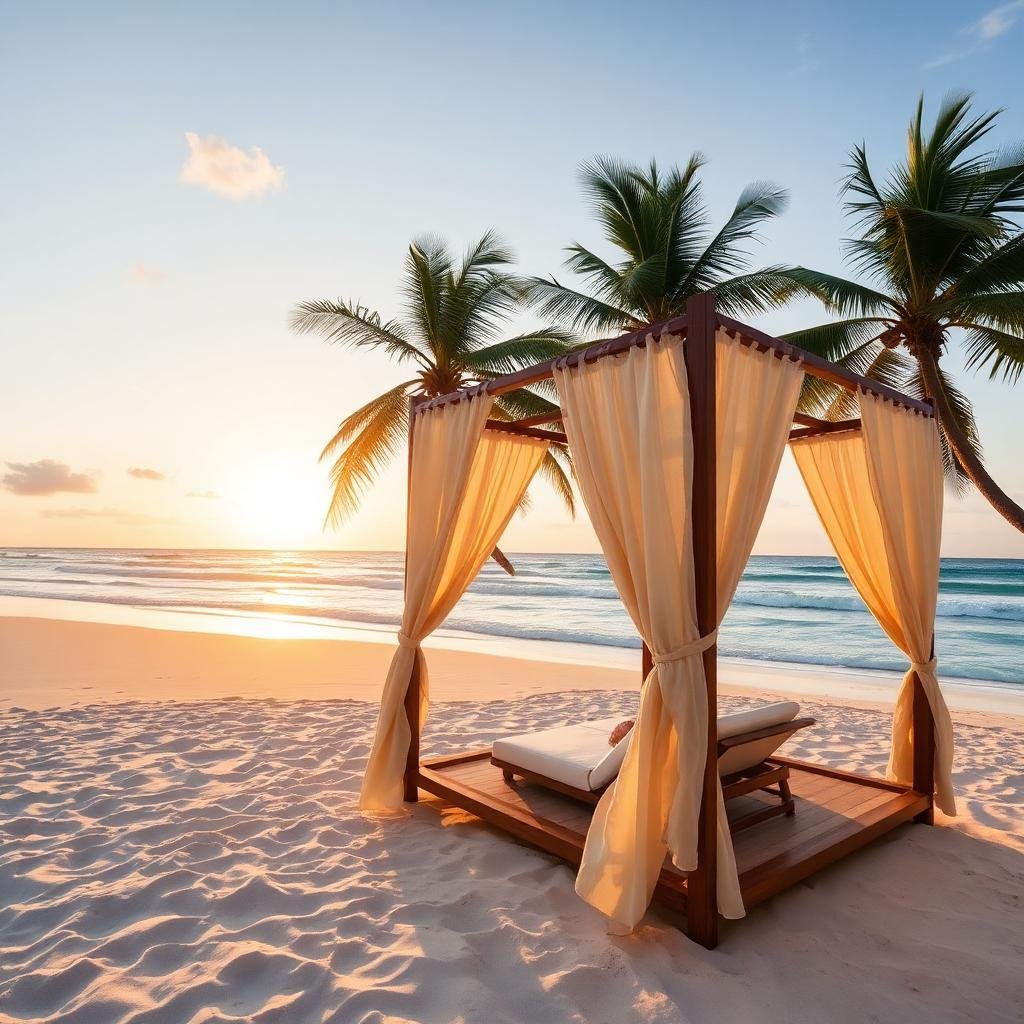
Understand Sri Lanka’s two monsoons, wildlife seasons and coast-by-coast weather before choosing your travel dates.
The short answer
Sri Lanka is a year-round destination, but the best region changes with the monsoon. December to April is generally best for the west and south coasts, the Cultural Triangle and much of the hill country. May to September brings calmer, sunnier conditions to the east coast around Trincomalee, Pasikuda and Arugam Bay.
Because the island is compact, weather is often local rather than nationwide. A carefully designed route can pair dry regions with seasonal wildlife and avoid spending valuable holiday time in long transfers.
December to March: south coast and classic routes
These are the most popular months for Galle, Mirissa, Bentota and the southern beaches. Days are usually bright, seas are calmer and the hill country offers cool mornings ideal for walking among tea estates.
It is also peak season, especially over Christmas and New Year. Reserve private guides, rail seats and preferred room categories early. February and March often deliver an excellent balance of settled weather and fewer festive-season crowds.
- Best for: south-coast beaches, Galle, whale watching and hill-country journeys
- Expect: warm coastal days and cool evenings at altitude
- Plan ahead: festive dates and the Kandy–Ella train
April to June: culture, celebrations and changing coasts
April begins hot and often dry before inter-monsoon showers arrive. Sinhala and Tamil New Year brings family celebrations across the island, while Vesak in May fills towns and villages with lanterns and illuminated displays.
As the southwest monsoon develops, the east becomes increasingly attractive. Cultural sites such as Sigiriya, Dambulla, Polonnaruwa and Anuradhapura remain rewarding year-round when visits are timed for early morning or late afternoon.
July to September: east coast and elephant season
This is prime time for the east coast. Trincomalee offers sheltered beaches and access to Pigeon Island, while Arugam Bay enters its main surf season. Inland, the famous elephant gathering around Minneriya and Kaudulla typically builds during the dry months, though animals move between parks according to water and grazing conditions.
July and August also coincide with school holidays in many countries, so family-friendly accommodation and experienced safari guides should be secured well in advance.
October and November: quieter, greener and less predictable
The second inter-monsoon can bring intense afternoon rain across several regions. It is one of the quietest periods to travel, with lush scenery and fewer visitors, but itineraries should allow flexibility.
Travellers who value privacy over guaranteed beach weather can be well rewarded. Choose strong cultural and wellness experiences, keep coastal plans adaptable and work with local experts who can adjust the route as conditions change.
How to choose your dates
Start with the experiences that matter most: calm swimming, surf, leopards, elephants, hiking or cultural festivals. Then select the coast and national parks that are most reliable in that season. Sri Lanka rewards travellers who design around geography rather than trying to see every headline destination in one trip.
Continue reading
More Sri Lanka guides
Your journey, designed locally