Destination Overview
An island chapter, slowly read.
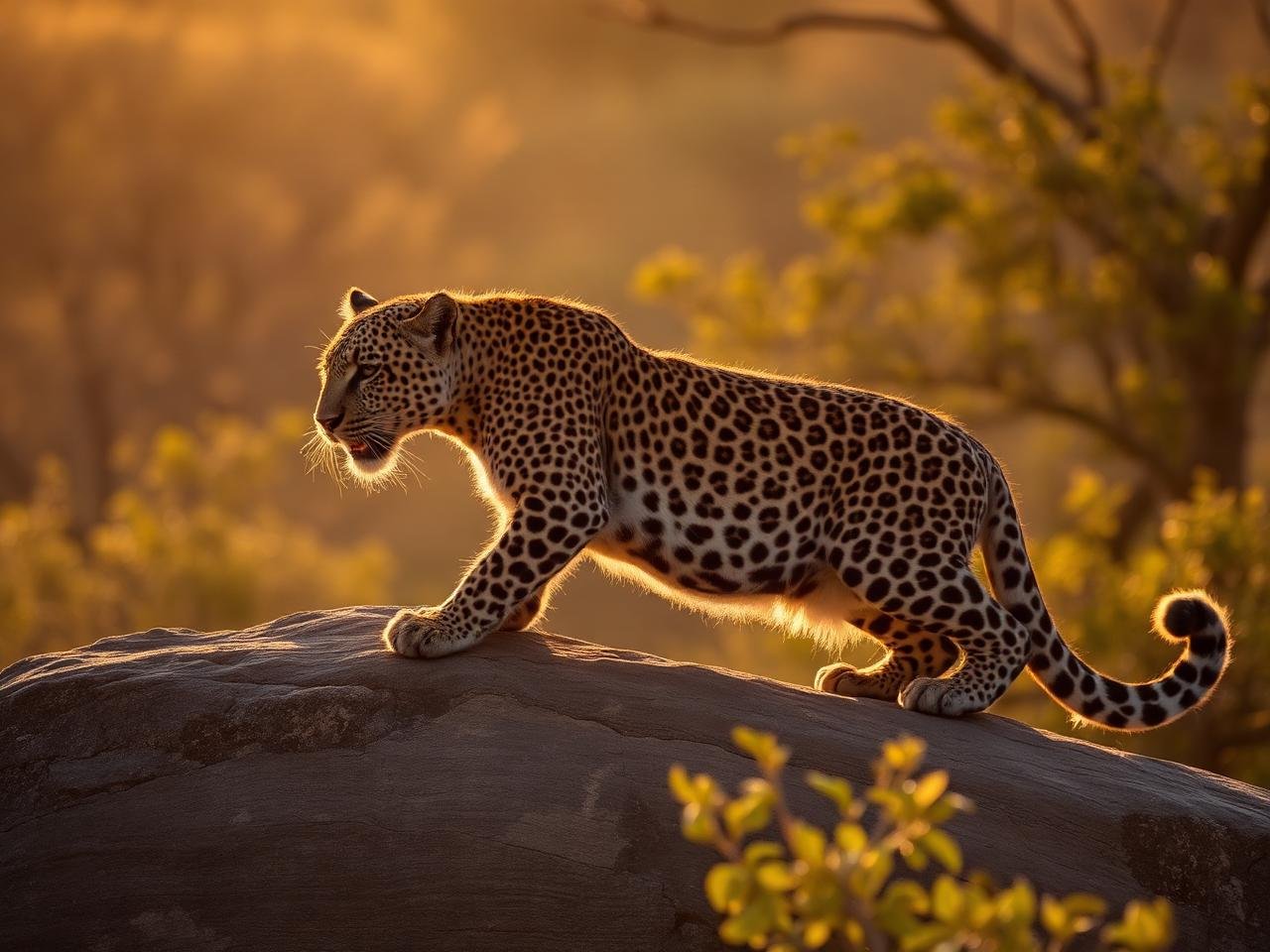
Yala lies on the south-eastern edge of the island, where the jungle meets the Indian Ocean in a long, dry, scrub-forested coast of granite outcrops, brackish lagoons and savannah. It is, by a measurable margin, the place on earth where you are most likely to see a wild leopard. The cats here, unlike anywhere in Africa or India, sit at the very top of the food chain — there are no tigers, no lions, no hyena packs to compete with — which has produced, over generations, an unusually bold population that hunts by day, lounges openly on the rocks, and walks the sand tracks with the slow indifference of something that has nothing to fear.
The classical Yala experience is a 4×4 game drive at first light, when the air is cool and the cats are still moving, and a second drive in the long golden hour before dusk. Between them: pool, naturalist briefings, a long unhurried lunch, and the great cooled quiet of a tented suite somewhere on the edge of the park. Lankurious works only with the small private camps that hold permits to enter Block 1 — the densest sector of the park — and only with the most experienced trackers, the people whose families have walked these sand roads for three generations.
Yala is more than its cats. The park supports elephants, sloth bears, mugger crocodiles, spotted deer, sambar, wild boar, jackal and a bird life that includes the country's full complement of eagles, kingfishers and storks. A single morning drive will routinely deliver fifty species of bird and a half-dozen large mammals, even before the leopard is sighted. And the coastline that fringes the park — long, empty, gold-sand beaches battered by ocean — is among the most dramatic on the island.
Why Visit
Three reasons to come to Yala.
Yala offers the highest probability of a wild leopard sighting of any park in the world — and an experience of safari unlike anywhere else, conducted by 4×4 within an hour of luxury tented camps.
The combination of dense wildlife, dramatic coastline and Asia's most considered tented camps makes Yala the natural climax of any luxury circuit of the island.
Beyond the cats: elephants, sloth bears, crocodiles, and a bird life that has made the park a destination in its own right for serious naturalists.
History & Heritage
The long story behind the place.
Yala was declared a wildlife sanctuary in 1900 and a national park in 1938 — making it one of the oldest protected areas in Asia. Long before either of those dates, however, the region was a centre of Sinhalese civilisation: the ruins of the 2nd-century BCE monastic complex of Sithulpawwa lie within the park boundaries, with rock-cut caves and a dagoba that once housed twelve thousand monks.
The park's modern fortunes have been shaped by two events. The 2004 tsunami swept across Yala's southern coast on Boxing Day morning, killing dozens of visitors and staff at the bungalow that stood by the beach — the foundations are still visible at Patanangala, marked now by a simple memorial. And in the years since, the park's leopard population has been the subject of a long, careful research programme that has made it perhaps the most-studied population of the species anywhere in the world.
The original park is now divided into five blocks, of which Block 1 is the smallest, the most densely populated with cats, and consequently the most visited. Lankurious uses Block 1 for the first morning drive and the quieter, larger blocks for subsequent drives — a deliberate balance of high-probability sightings and proper wilderness solitude.
Top Experiences
What to do, slowly.
Private 4×4 at first light
The gate opens at 6 a.m. and a private, naturalist-driven 4×4 takes you straight into the densest sector while the cats are still active. Tea and a packed breakfast at a viewpoint inside the park.
Tented suite at Wild Coast
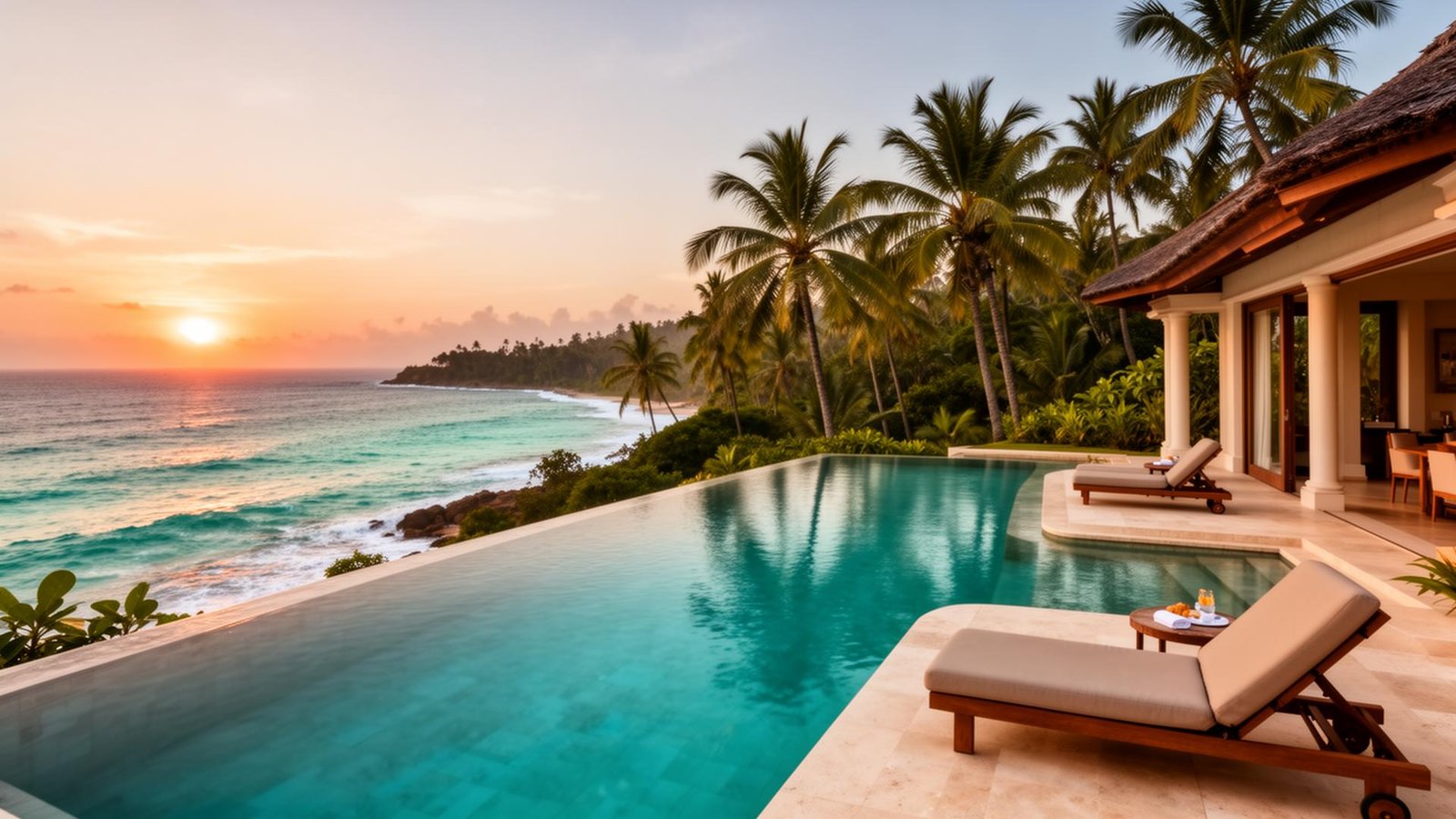
Bamboo-domed tented pool suites by the ocean's edge, where elephants drift past at dusk and the sound of the surf shapes every evening.
Resident naturalist briefing
An afternoon talk on leopard ecology with the camp's resident naturalist, drawing on the long-running radio-collar study within the park.
Beach bonfire dinner
A long table on the sand at dusk, a driftwood fire, lanterns in the dunes, and a tasting menu drawn from the south-coast kitchens.
Sithulpawwa pilgrimage
A morning visit to the 2nd-century BCE monastic complex within the park boundary — silent rock-cut caves, a quiet climb, and a sense of the very long human history of this landscape.
Best Time To Visit
The calendar, in three movements.
February – July
The dry season at Yala. Water sources contract, animals concentrate at the remaining waterholes, and sightings — especially of leopard — are at their peak. February and June are the classic windows.
September – October
The shoulder season. Smaller crowds, the first rains greening the park, and superb light for photography. The park closes for one month around September for habitat recovery — your designer will confirm exact dates.
November – January
Wetter, with afternoon storms, but still good wildlife. Best for travellers who prefer fewer visitors and don't mind the occasional weather day.
Luxury Accommodation
Where to stay.
Wild Coast Tented Lodge
Relais & Châteaux · Tented Pool Suites
The benchmark for tented luxury in Sri Lanka. Twenty-eight bamboo-domed suites on the very edge of the park, by the Indian Ocean, with private pools and resident naturalists.
Chena Huts by Uga Escapes
Luxury cabins · Beachfront
Fourteen private cabins among the dunes at the eastern edge of the park, each with its own plunge pool and an unbroken sightline to the ocean.
Leopard Trails
Mobile tented camp · Park edge
A traditional safari-style mobile camp, refined and very personal — a smaller, more intimate alternative to the larger lodges, with an outstanding naturalist team.
Suggested Tours
Journeys that pass through Yala.
Travel Tips
Quiet wisdom from the road.
- ·
Choose your drive partner carefully — Block 1 can become busy. We use guides who know how to read crowd patterns and find quieter sightings.
- ·
Wear muted colours on game drives — sage, khaki, soft brown. Avoid bright white and black.
- ·
Carry a fleece for the dawn drives. The open vehicle is cold at 6 a.m. before the sun gets up.
- ·
Bring binoculars (10×42 ideal). The cameras at every camp will lend a long lens for photographers who travel light.
- ·
Respect the cats. A leopard sighting is not a photograph at any cost — your guide will manage the distance with care.
Gallery
A few frames.