Destination Overview
An island chapter, slowly read.
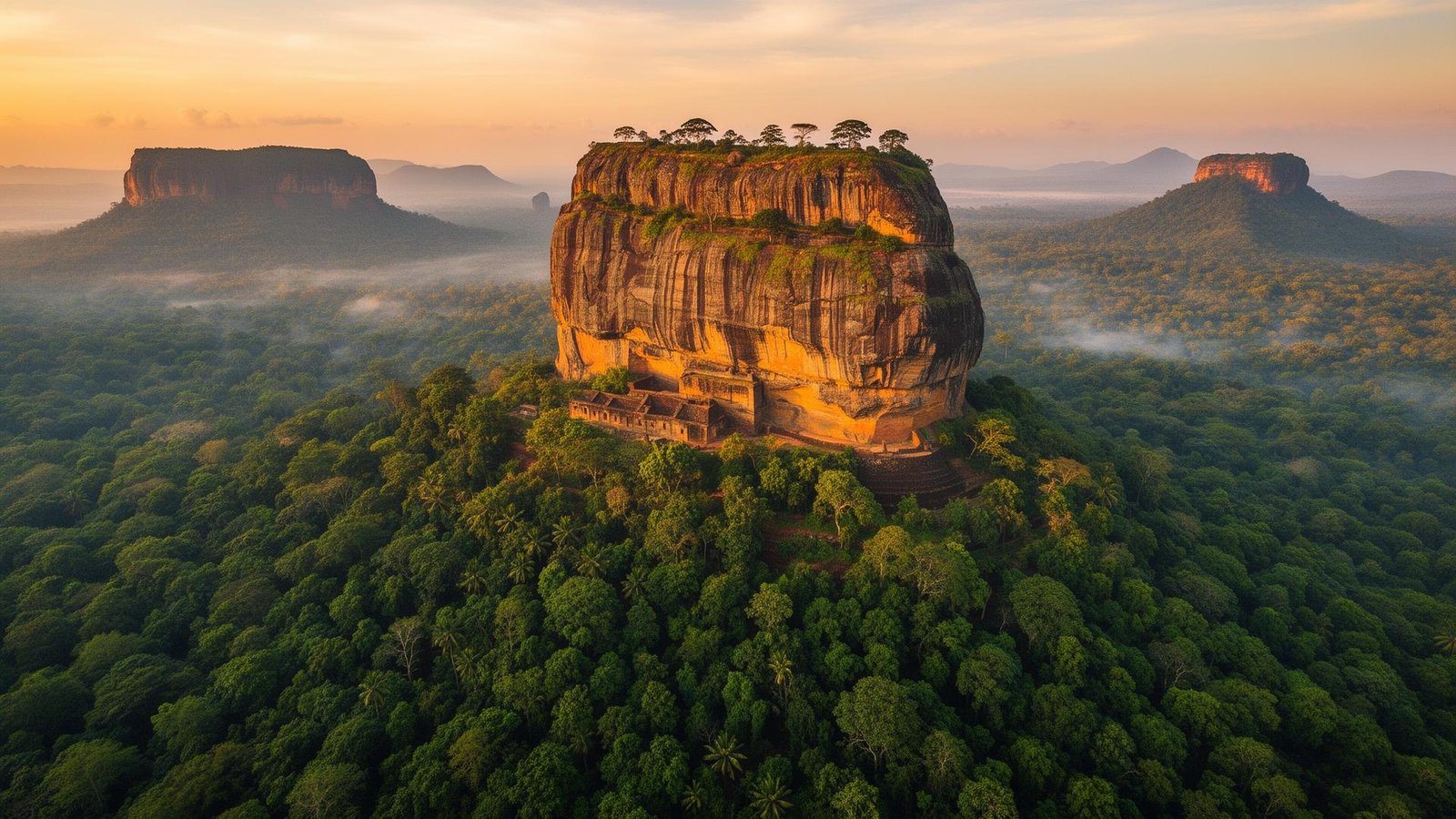
There is a moment, somewhere between the fourth and fifth flight of weather-worn iron steps that climb the western face of Sigiriya, when the jungle below dissolves into a sea of green and the wind grows cool, and you understand, suddenly and without anyone having to explain it, why a fifth-century king chose this 200-metre granite monolith as both his palace and his refuge. Sigiriya is not simply a ruin. It is a feat of imagination — a vertical city, a hydraulic garden, a frescoed gallery and a royal court, all balanced on a column of rock that rises like a clenched fist from the emerald plains of Sri Lanka's cultural triangle.
Few places in Asia work so completely on the senses. The approach is theatrical: water gardens of perfect symmetry, boulder gardens cooled by ancient cisterns, then the famous Mirror Wall, polished to such a sheen that the king could once see his own reflection. Above it, sheltered in a pocket of rock, the celestial maidens of Sigiriya — bare-breasted, golden, smiling — have been gazing out over the jungle for fifteen centuries. And above them, the lion's paws — twin granite claws the size of small buildings — guard the final ascent to the summit, where the foundations of King Kashyapa's sky palace still trace the outline of a vanished kingdom in the clouds.
To climb Sigiriya at first light, before the heat and before another soul has reached the gate, is one of those rare travel experiences that lives up entirely to its own legend. We make it more so: a private historian, the rock to yourself, and a champagne breakfast waiting in a clearing at the base. This is Sigiriya as it was meant to be seen — not as a tourist site, but as a private audience with one of the great architectural daydreams of the ancient world.
Why Visit
Three reasons to come to Sigiriya.
Sigiriya is the most accessible window into Sri Lanka's classical golden age — a UNESCO World Heritage Site that combines ancient engineering, royal art and raw geological drama within a single morning's exploration.
Beyond the rock itself, the surrounding plain holds the painted caves of Dambulla, the medieval city of Polonnaruwa, the sacred bo tree of Anuradhapura and a half-dozen lesser monasteries — making Sigiriya the natural base for a slow week through the cultural triangle.
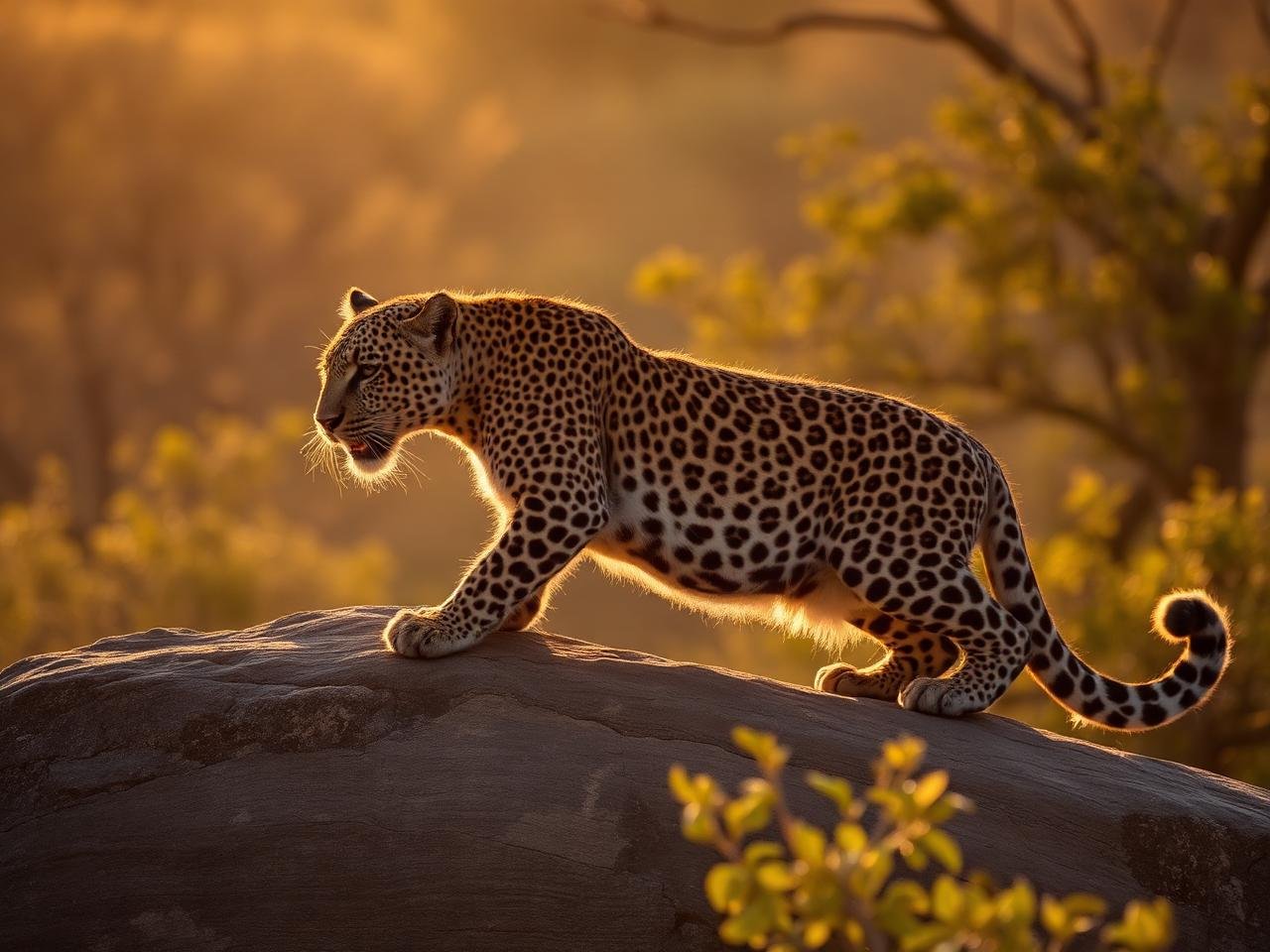
The light here is unlike anywhere else on the island: low, buttery, golden in the early hours, and the jungle that surrounds the rock holds wild elephants, sloth bears and the occasional leopard, all within thirty minutes of your villa.
History & Heritage
The long story behind the place.
The story of Sigiriya is the story of a brother's betrayal. In 477 CE, Prince Kashyapa murdered his father, the king, by walling him alive into his own palace — and then, fearing the rightful heir's return from exile in India, retreated to the inaccessible summit of this granite plug and built upon it a city of such ambition that it remains, fifteen centuries later, almost impossible to believe.
For eighteen years Kashyapa ruled from the sky. He commissioned the frescoes, laid out the water gardens, polished the Mirror Wall, and lined the final ascent with the great brick lion whose paws still remain. When his brother Moggallana finally returned with an army, Kashyapa rode out to meet him on a war elephant — and, in a moment that the chronicles still debate, turned the elephant the wrong way, was believed defeated by his own troops, and took his own life on the field. The capital returned to Anuradhapura. The rock was given to Buddhist monks, who quietly tended its gardens for another thousand years.
What you walk through today is the work of countless hands: the original 5th-century engineering, centuries of monastic restoration, and the careful 20th-century archaeology that began under the British and continues to this day. The frescoes — what survives of them — remain one of the great masterpieces of Asian painting, executed in mineral pigments that have outlasted entire civilisations.
Top Experiences
What to do, slowly.
The dawn climb
We arrange before-gate access so you stand on the lion's paws as the sun lifts above the jungle. The whole monument, ordinarily shared with a thousand visitors, is yours for a quiet, vertiginous hour.
Champagne breakfast in the gardens
A linen-laid table beneath the trees at the base of the rock, served the moment you descend. Tropical fruit, Ceylon tea, fresh prawns, and the morning ahead of you.
Private audience at Dambulla
The five painted caves of Dambulla, twenty minutes south, are explored after hours with a resident Buddhist scholar — 153 statues, 2,100 square metres of frescoes, and no one else in the chambers.
Mask-maker workshop
An afternoon with a master craftsman in a village beyond the rock, learning the iconography of the Kandyan dance masks that have shaped Sinhalese performance for centuries.
Candlelit cave dinner
A long table set inside a private rock shelter, lit only by candles and oil lamps, with a tasting menu drawn from the family recipes of the region's oldest hotels.
Best Time To Visit
The calendar, in three movements.
December – March
The classical dry season for the cultural triangle. Mornings are cool, afternoons warm but bearable, the light is at its softest and the rock itself dries quickly after any overnight rain. This is the window most luxury travellers choose.
May – September
Hotter and drier still, with fewer crowds but more intense midday sun. Climbs are best confined to first light. Strong value for travellers who can rise early and rest through the afternoons.
October – November
The second inter-monsoon, with short, dramatic afternoon storms. The plain turns brilliantly green, photography is at its most painterly, and many properties offer their best low-season rates.
Luxury Accommodation
Where to stay.
Water Garden Sigiriya
Contemporary luxury · Pool Villas
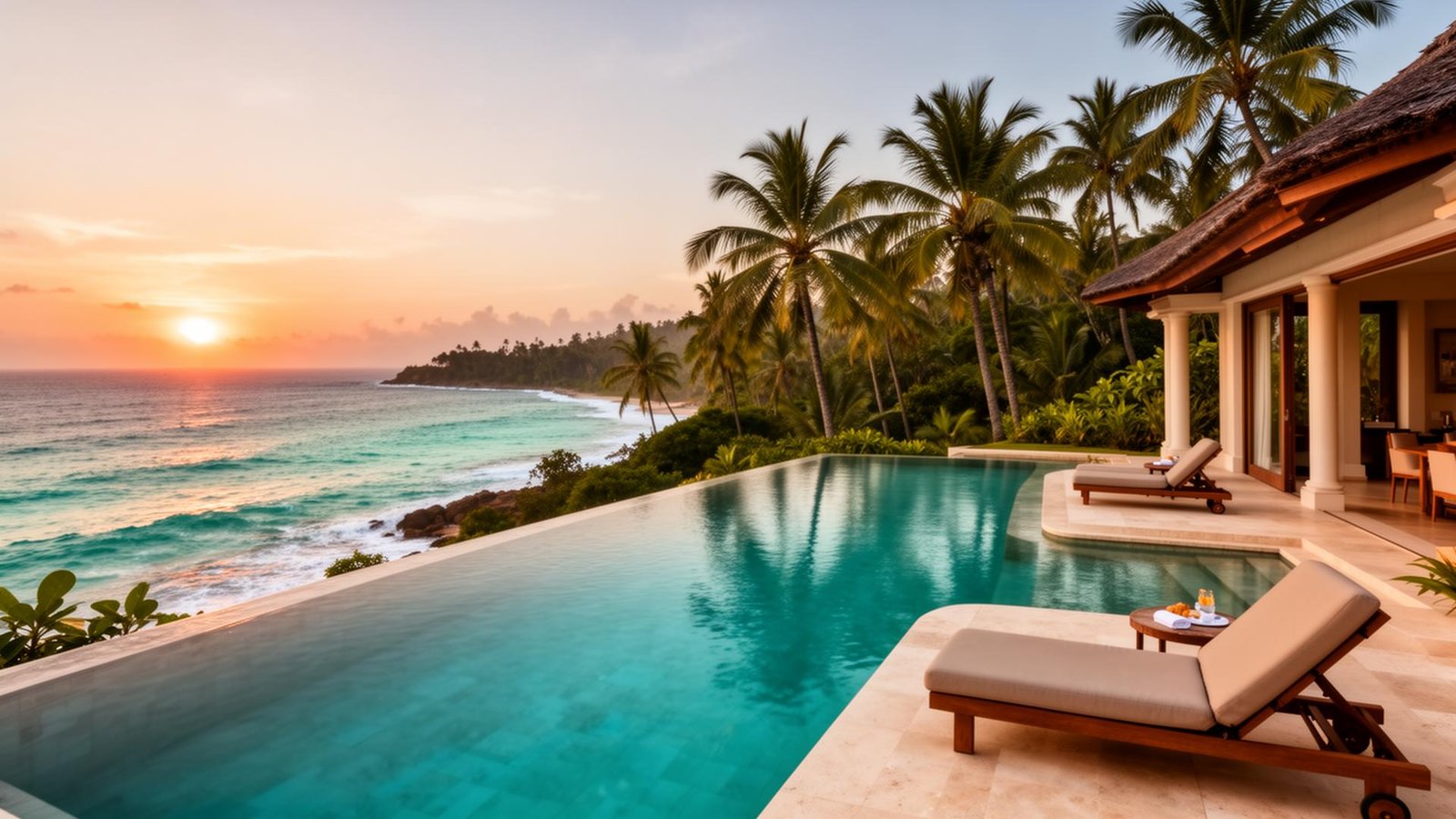
Stand-alone villas arranged around a private network of lily ponds, each with a plunge pool and uninterrupted sightline to the rock. Architecturally the finest base for the region.
Ulagalla, Anuradhapura
Heritage manor · 58-acre estate
A restored 150-year-old chieftain's manor at the centre of paddy and forest, with 25 thatched pool chalets and a working farm-to-table kitchen. An hour from Sigiriya by private car.
Jetwing Vil Uyana
Eco-luxury · Wetland reserve
Stilted dwellings on a man-made wetland that has matured into genuine wildlife habitat — leopards have been recorded on the property. Quiet, considered, owner-led.
Suggested Tours
Journeys that pass through Sigiriya.
Travel Tips
Quiet wisdom from the road.
- ·
Climb the rock at first light — by 9 a.m. the steps are crowded and the granite radiates heat.
- ·
Wear lightweight long sleeves; the upper galleries pass through narrow iron staircases where the rock catches the sun.
- ·
Carry water and a small torch for the museum, even in the morning. Hats are obligatory.
- ·
The frescoes are not photographed inside the sheltered gallery — this is enforced and respected.
- ·
If you have a fear of heights, the spiral staircase to the fresco pocket is the only difficult moment. Your guide will know which route avoids it.
Gallery
A few frames.