Destination Overview
An island chapter, slowly read.
Jaffna is the cultural capital of Sri Lanka's Tamil north — a flat, windswept peninsula of palmyra palms, lime-washed temples and quiet lagoons that feels, the moment you arrive, like a different country. The food is sharper, hotter, more confidently spiced. The temples blaze in scarlet and gold rather than the white-domed serenity of the Buddhist south. The language on the streets is Tamil. The architecture, where it survives, carries the layered weight of Portuguese, Dutch and South Indian influence. For travellers who want to understand the full breadth of the island, no journey is complete without time in the north.
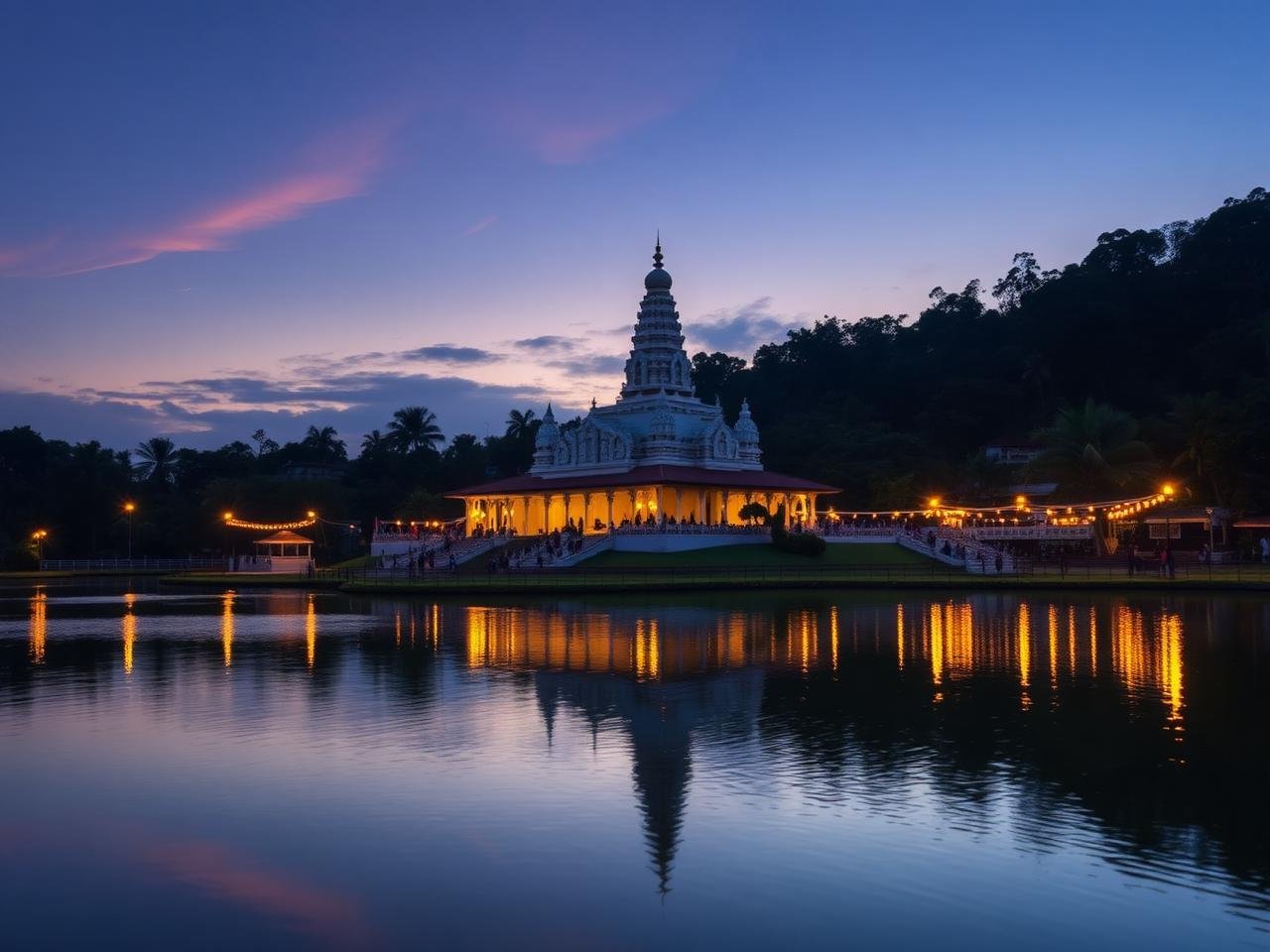
The town itself sits at the centre of the peninsula, anchored by the great red gopuram of the Nallur Kandaswamy Kovil — one of the most important Hindu temples in South Asia, and a place that comes spectacularly alive each August during the 25-day Nallur Festival, when chariots are dragged through the streets and the air thickens with camphor and jasmine. Beyond the town, the peninsula unfolds in three directions: south to the Dutch fort and the lagoon causeway; west to the cluster of low, almost surreal islands — Karaitivu, Punkudutivu, Delft — that float on the shallow Palk Strait; and north to the empty windswept beaches of Casuarina and Keerimalai, where the sand is white, the sea is impossibly calm, and there is almost no one in sight.
The history of the north is the history of resilience. The peninsula was the heart of a powerful Tamil kingdom from the 13th century, fell to the Portuguese in 1619, the Dutch in 1658 and the British in 1795. The most recent and painful chapter — the 26-year civil war that ended in 2009 — closed Jaffna to most travellers for a generation and left visible scars on the city itself. What you encounter today is a place in active, quiet recovery: a slow flowering of small hotels, a return of the diaspora, a rebuilding of temples and a remarkable, generous welcome from a people who have not seen many international visitors in their lifetime.
Lankurious travels Jaffna with patience and a local hand. We base you in a restored colonial mansion on the lagoon, arrange private temple visits with a Hindu scholar, charter a small ferry to the outer islands, and take you to family-run kitchens where the food — Jaffna crab curry, palmyra jaggery, freshly grated coconut sambols — is unlike anything on the southern circuit. The peninsula does not have the polish of the south coast; it has, instead, a depth and a quietness that linger long after the journey ends.
Why Visit
Three reasons to come to Jaffna.
Jaffna is the cultural heart of the Sri Lankan Tamil world — its temples, food, language and architecture make it the single most distinct region of the island.
The peninsula's outer islands — Karaitivu, Punkudutivu, Nainativu, Delft — offer some of the quietest, most surreal landscapes in South Asia.
Jaffna cuisine is one of the most refined regional cuisines in Sri Lanka — crab curry, prawn vadai, palmyra sweets and a depth of spice that the southern dishes do not approach.
History & Heritage
The long story behind the place.
Jaffna's recorded history begins in the 13th century with the founding of the Aryacakravarti dynasty, which ruled the northern peninsula as a sovereign Tamil kingdom for three hundred years and built the original Nallur Kandaswamy temple as its royal sanctuary. The kingdom maintained close cultural and political ties with the Pandya and Vijayanagara empires of South India, and Jaffna became, by the 15th century, a sophisticated regional capital with its own coinage, its own legal code and its own literary tradition.
The Portuguese conquered the kingdom in 1619 and demolished the original Nallur temple as part of a wider campaign of religious destruction. The Dutch took the city in 1658, built the great star-shaped fort that still anchors the harbour, and presided over a century of relatively tolerant rule that allowed the rebuilding of the temples and the gradual reemergence of Tamil cultural life. The British added the peninsula to their empire in 1795 and made Jaffna one of the most prosperous and best-educated cities in colonial Ceylon — the source, by the early 20th century, of a disproportionate share of the island's civil servants, doctors and engineers.
The civil war of 1983 to 2009 devastated the city. Much of the old town was destroyed by shelling and aerial bombing. The Nallur temple survived; the public library — once one of the largest in Asia, with irreplaceable Tamil manuscripts — did not, burned in a single night in 1981 in an event that remains one of the most mourned cultural losses in modern South Asian history. The rebuilding has been steady and considered. The library is open again. The temples are restored. The diaspora is returning. Jaffna in this decade is a place of quiet, dignified recovery.
Top Experiences
What to do, slowly.
Nallur Kovil at evening puja
A private visit at the moment the temple lamps are lit and the conch is blown — saffron-robed priests, hereditary drummers, and a depth of ritual that the southern Buddhist sites do not offer.
Island-hopping by private ferry
A chartered launch across the shallow lagoon to Karaitivu, Nainativu and the windswept island of Delft, with its wild ponies, dry-stone walls and 17th-century Dutch hospital ruins.
Jaffna kitchen evening
An arranged supper in a family home, with the matriarch teaching the techniques behind the city's signature crab curry, prawn vadai and palmyra jaggery sweets.
Casuarina Beach at sunset
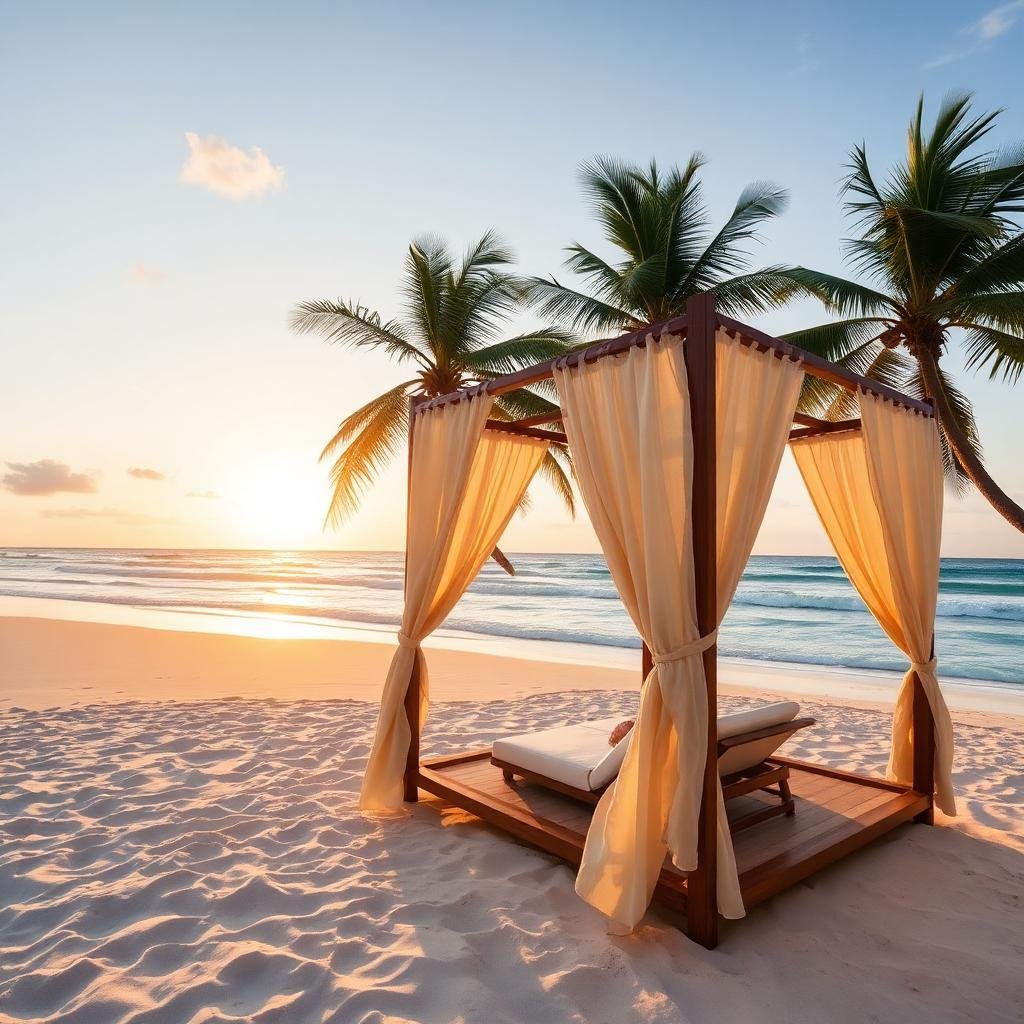
A long, shallow stretch of pale sand on the northern coast where the water barely rises above the knee for fifty metres — a place to walk, swim, and watch a sunset that almost no other traveller will see.
Keerimalai sacred spring
A morning at the freshwater pool that emerges from limestone rock on the very edge of the sea — sacred to Hindus, used as a healing bath for fifteen centuries.
Best Time To Visit
The calendar, in three movements.
January – March
The driest, mildest stretch on the peninsula. Clear days, comfortable evenings, calm seas around the outer islands. The single best window for Jaffna.
August (Nallur Festival)
Twenty-five days of processions, chariot pulls and fire ceremonies at the Nallur Kovil — the most concentrated expression of Sri Lankan Tamil religious life, and a remarkable experience for any traveller with a tolerance for crowds and heat.
October – December
The northeast monsoon settles in with intermittent rains. Still possible to visit but timing becomes harder; we generally steer luxury travellers to the dry-season window.
Luxury Accommodation
Where to stay.
Jetwing Jaffna
Contemporary luxury · 55 rooms
The most polished property in the city — a modern build with a rooftop pool, a serious kitchen and the best service standards on the peninsula. The default luxury base.
Thinnai Organic
Boutique eco-lodge · Northern coast
A small, considered eco-lodge with six rooms on the road to Point Pedro — quiet, garden-set, and the best base for the outer islands and the northern beaches.
Fox Jaffna by Theme Resorts
Heritage boutique · 28 rooms
A restored colonial mansion in the centre of the old town with a small pool and an excellent Jaffna kitchen — useful for travellers who want to walk to the temple and the fort.
Suggested Tours
Journeys that pass through Jaffna.
Travel Tips
Quiet wisdom from the road.
- ·
Cover shoulders and knees at Nallur Kovil and remove your shirt (men) to enter the inner sanctum, in line with local practice.
- ·
Jaffna food is significantly hotter than the southern dishes — ask the kitchen to dial the chilli if you prefer.
- ·
The outer islands require a private ferry or a long causeway drive — plan a full day for any island visit.
- ·
Fuel and ATMs can be patchy on the peninsula; your driver will plan ahead.
- ·
Photograph the temples only from outside the inner sanctum, and never the priests during ritual.
Gallery
A few frames.