Destination Overview
An island chapter, slowly read.
Galle is one of the great surviving fortified cities of the colonial Indian Ocean — a 36-hectare walled town on a promontory at the southern tip of Sri Lanka, surrounded on three sides by ocean and on the fourth by a defensive wall so massive that it has, since its construction in 1663, weathered hurricanes, the great 2004 tsunami and every kind of human ambition without giving up a brick. Inside the walls, a perfectly preserved Dutch grid of streets — Pedlar Street, Church Street, Leyn Baan — lined with merchants' houses, shaded by frangipani and bougainvillea, and now occupied by some of the most considered boutiques, galleries and restaurants in South Asia.
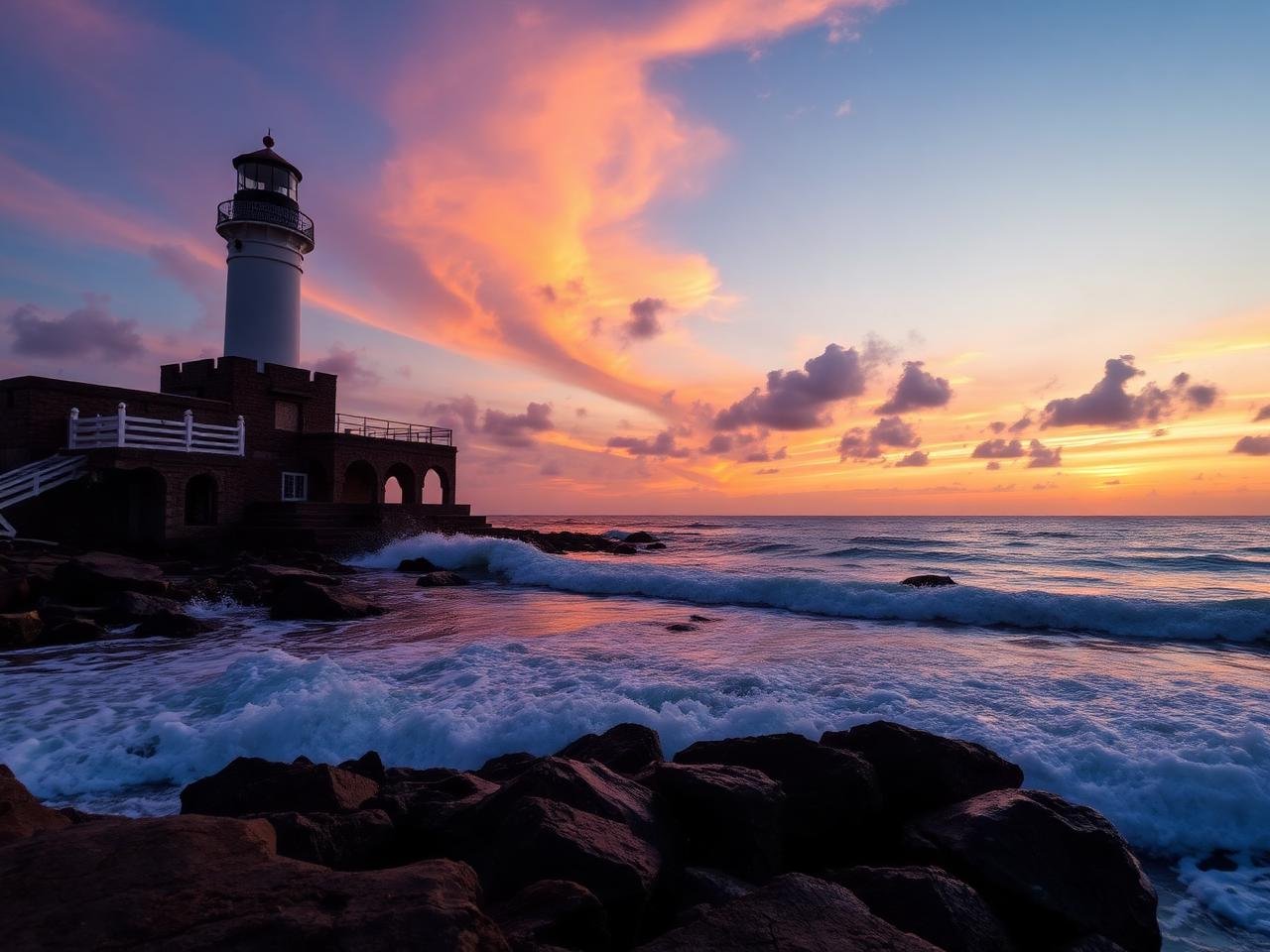
The fort is best walked at dawn, when the ocean is silver and the first calls of the local mosque drift across the ramparts. By eight the cafés are open and the smell of brewed Ceylon arrives from open doorways. By eleven the heat is real and the fort retreats indoors, into the air-conditioned hush of the heritage hotels and the cool tiled interiors of the boutiques. By six the air softens, the parade of evening walkers begins along the ramparts, and the sun drops dramatically into the Indian Ocean directly behind the great Meera Mosque.
Lankurious anchors you inside the walls. Amangalla, the restored 17th-century officers' mess, remains the singular address — but the smaller heritage houses scattered through the fort offer something more intimate. Whichever you choose, Galle becomes a slow, cultured pause near the end of a journey: long lunches at curated kitchens, afternoons in printmakers' studios, evenings on the ramparts with a cold gin and an old book.
Why Visit
Three reasons to come to Galle.
Galle Fort is the most intact and atmospheric fortified colonial city in Asia — a UNESCO World Heritage Site that is also a living, working town with some of the country's best small hotels, restaurants and galleries.
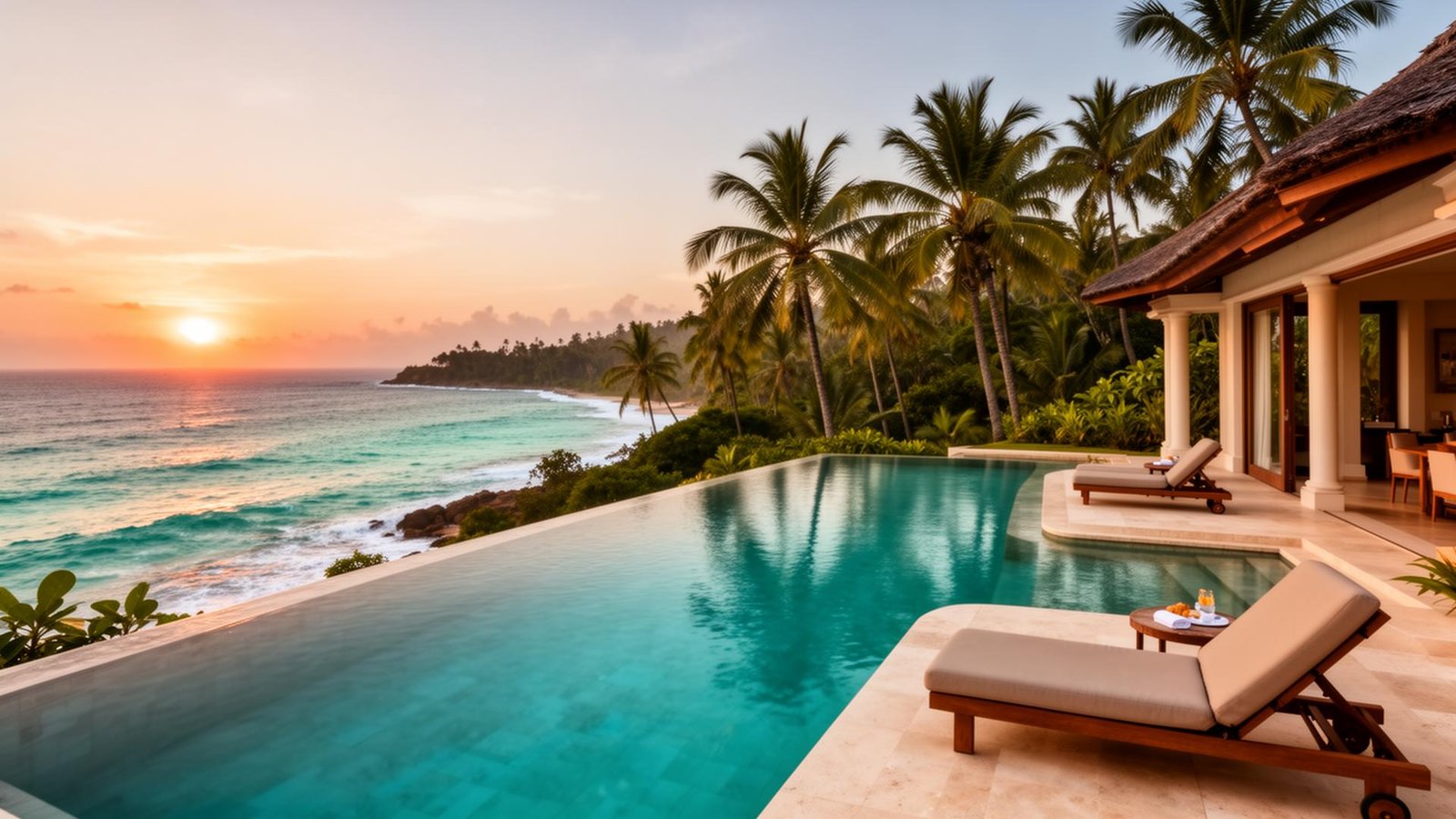
The south coast around Galle — Unawatuna, Talpe, Weligama, Mirissa — is the island's beach belt: pristine, palm-fringed, and dotted with private villas and cliff-top resorts that anchor the perfect final week of any journey.
The light in Galle is particular and beloved by photographers: the ocean on three sides reflects an unusually clear, silver glow that animates the lime-washed walls of every interior.
History & Heritage
The long story behind the place.
The first European to land at Galle was the Portuguese explorer Lourenço de Almeida in 1505, blown off course on his way to the Maldives. The Portuguese fortified the headland; the Dutch took it from them in 1640 after a four-day siege; the British took it from the Dutch in 1796 without firing a shot. Each successive empire added a layer of architecture, administration and trade — and each, remarkably, preserved what had come before.
The fort's golden age was Dutch. Galle was the principal port of the Dutch East India Company in Ceylon, and the walled town that survives today is essentially the Dutch settlement: gridded streets, gabled merchants' houses, the great wooden roof of the Dutch Reformed Church, the bastions named for the points of the compass. Beneath the streets runs an original Dutch sewer system that still drains the town today, four hundred years after it was laid.
The 2004 tsunami struck the fort with extraordinary force — the modern town outside the walls was devastated — but the 17th-century ramparts held, sparing the interior almost completely. In the years since, careful restoration has transformed Galle from a sleepy provincial outpost into one of the most considered small destinations in Asia, without ever feeling polished or themed. It remains, gloriously, a working town.
Top Experiences
What to do, slowly.
Ramparts walk at first light
A private morning circumnavigation of the 3 km of walls with a heritage architect, ending with breakfast at a 19th-century townhouse.
Curated gallery tour
Afternoons with the curator of Stick No Bills, the print archive, or with the owner of Barefoot Gallery — Galle's contemporary art scene is small, serious and rewarding.
Private cooking class
A long morning in a fort kitchen with a Galle chef, learning the southern curries, sambols and hoppers that define the local table.
Sundowner on the ramparts
Champagne and small dishes laid out on the western bastion as the sun drops into the Indian Ocean directly behind the Meera Mosque.
Day cruise from the harbour
A private sailing yacht from Galle Harbour, with snorkelling at the inner reef, lunch on deck, and a sail back through the Galle headland at golden hour.
Best Time To Visit
The calendar, in three movements.
November – April
The classic south-coast season. Dry, bright, calm seas, and a packed calendar of cultural events — the Galle Literary Festival in January is one of South Asia's signature gatherings.
May – September
The south-west monsoon brings rough seas and intermittent rain, but the fort itself remains beautiful and rates drop significantly. Excellent for travellers who like a quieter town.
October
A transitional month — short storms, dramatic skies, and the green returning to every garden. Strong value.
Luxury Accommodation
Where to stay.
Amangalla
Aman · Heritage suites within the fort
A restored 17th-century officers' mess turned into Aman's hushed sanctuary of garden suites, the Baths spa, and an excellent table. The benchmark Galle stay.
The Fort Printers
Boutique · 5 suites
A converted 18th-century printers' workshop in the heart of the fort, with five elegantly considered suites and a small private pool.
The Fort Bazaar
Boutique · Heritage merchant's house
Eighteen rooms within a 17th-century merchant's house — courtyards, a roof terrace, a strong kitchen, and a calmer pace than the fort's busier corners.
Suggested Tours
Journeys that pass through Galle.
Travel Tips
Quiet wisdom from the road.
- ·
Walk the fort at dawn or dusk; midday heat radiates off the limewashed walls.
- ·
Carry small change for the temple, the mosque and the fort's many open courtyards.
- ·
Reserve dinner in advance — the best fort restaurants (Poonie's Kitchen, Calmist, Tuna & The Crab) book out a week ahead in season.
- ·
Tuk-tuks within the fort are unnecessary — the whole town is a 15-minute walk end to end.
- ·
Sea swimming is best at Unawatuna, ten minutes east. The fort is for sunsets, not for swimming.
Gallery
A few frames.