
Destination Overview
An island chapter, slowly read.
Arugam Bay sits at the far southeastern corner of Sri Lanka — a long, lazy crescent of pale sand framed by a single curling road, a fishing harbour at the southern end, and one of the most consistent right-hand point breaks in the world at the northern headland. The town itself is small, sun-bleached and barefoot: a string of low surf cafes, beach bars and a handful of boutique villas that have quietly settled in over the past decade. There are no high-rises. There is no nightclub strip. The atmosphere is the unhurried, sand-in-the-floorboards rhythm of a place that has been shaped, almost entirely, by the long Indian Ocean swells that roll into the bay between May and September.
What sets Arugam apart is the quality of the wave. The main point — known locally simply as 'Main Point' — produces a long, peeling right-hander that breaks consistently for 300 metres on a good swell, with a forgiving shape that has made it equally beloved by competitive surfers and patient improvers. Within a thirty-minute drive there are six other named breaks, ranging from the gentle Baby Point (perfect for first-timers) to the heavier reef setups of Okanda and Crocodile Rock. From May to September the swell is reliable, the wind is offshore in the mornings, and the bay fills with a community of travelling surfers, lifelong locals and a quiet international set who have been coming back, year after year, for two decades.
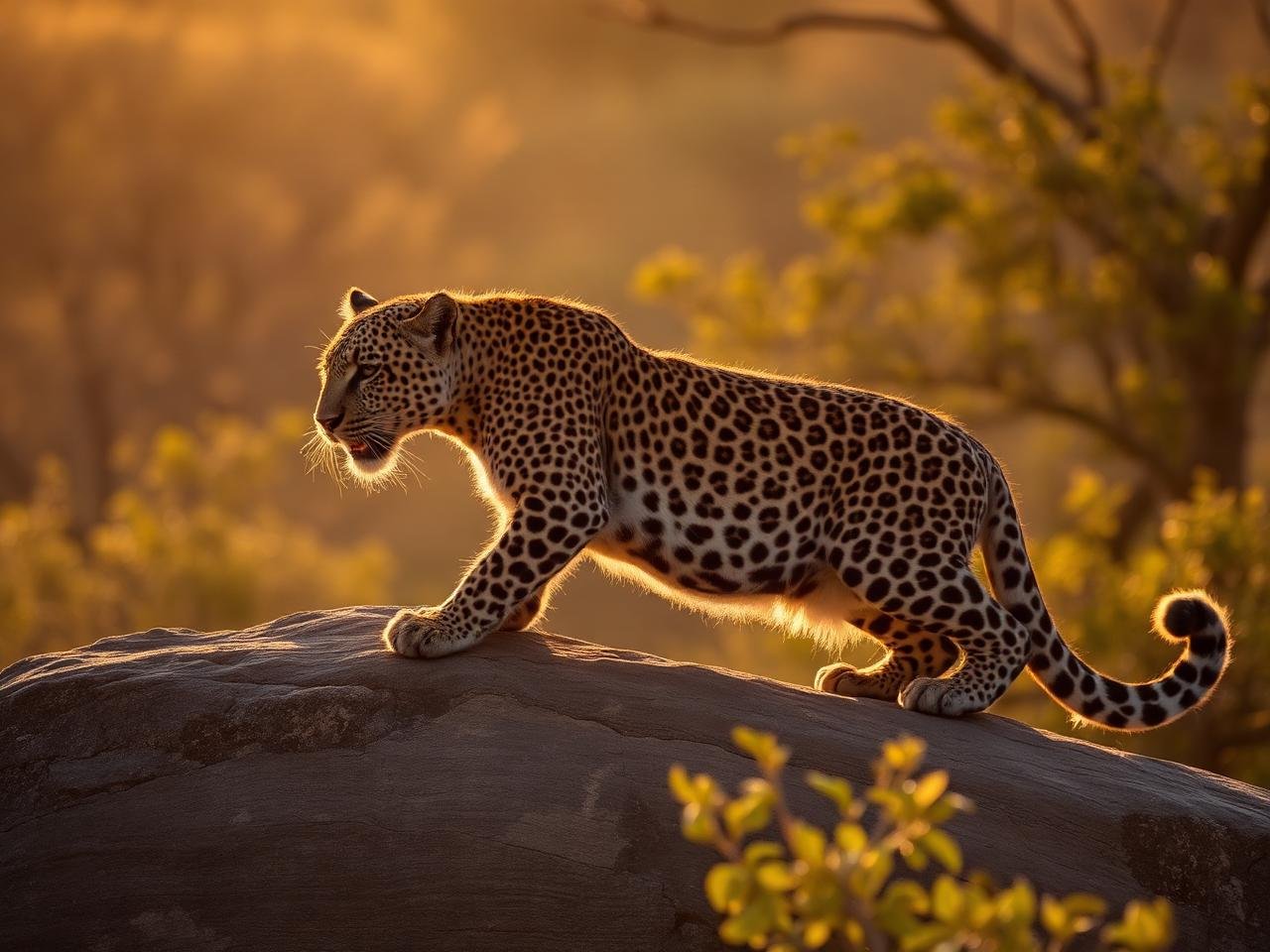
Beyond the surf, the surrounding landscape is wilder than anywhere else on the southern coastline. Kumana National Park — the lesser-visited eastern sister of Yala — is twenty minutes south of the bay, with elephants, leopards, sloth bears and one of the great wetland bird reserves of South Asia. The Pottuvil lagoon, just behind the main town, holds saltwater crocodiles, lagoon eagles and small wooden boats that can be chartered for a sunset glide through the mangroves. And the inland temples — Magul Maha Viharaya, Kudimbigala, the ancient rock monastery of Okanda — give the bay a quiet, cultural counterweight to its surf-town reputation.
Lankurious approaches Arugam as the unconventional finish to a longer journey through the island — three or four nights of surf, wildlife and lagoon. We base you at Kottukal Beach House or at a private villa just back from the sand, arrange private surf coaching for whatever level you arrive at, charter a sunrise safari into Kumana, and pour sundowners on the beach as the day's last set rolls into the point. The bay is not glossy. It is quietly, unmistakably authentic — and for a certain kind of traveller, the most rewarding stretch of coast on the island.
Why Visit
Three reasons to come to Arugam Bay.
Arugam Bay holds one of the most consistent and beautiful right-hand point breaks in the world — a wave that has shaped a quiet community for two decades.
Kumana National Park, just south of the bay, offers leopards, elephants and one of the great wetland bird reserves of South Asia, with almost none of the crowds of Yala.
The bay is the antithesis of the developed south coast — sun-bleached, barefoot, low-rise, and shaped entirely by the rhythms of the surf and the lagoon.
History & Heritage
The long story behind the place.
Arugam Bay sits in an ancient corner of the island. The Magul Maha Viharaya, a 5th-century BCE monastery a few kilometres inland, is one of the oldest royal foundations in Sri Lanka — traditionally identified as the site of the marriage of King Kavantissa and Queen Viharamahadevi, the parents of the great hero-king Dutugemunu. The surrounding region was, for centuries, a sparsely populated edge of the Sinhalese kingdom, bounded by jungle and by the long, empty east coast.
The bay was 'discovered' by international travellers in the 1970s, when the first wave of overland surfers found the right-hand point and began to camp in the dunes behind the main beach. A slow, organic surf town grew up over the next two decades — a few wooden cabanas, a handful of bars, and a community of returning travellers who passed the bay's reputation between them quietly enough that, by the 2000s, Arugam was an established stop on the global point-break circuit but had never been mass-developed.
The 2004 tsunami devastated the eastern coast and destroyed much of the bay's original built fabric. The rebuilding that followed — assisted by a global network of returning surfers and travellers — was deliberately low-key and low-rise. The civil war, which closed the east coast to international visitors until 2009, slowed the recovery further. The Arugam of this decade is the result of all those layers: a place that has stayed small, stayed local, and stayed honest to the long wave that put it on the map.
Top Experiences
What to do, slowly.
Private surf lessons at Baby Point
Two- or three-hour coaching sessions at the gentle sand-bottom break south of the main bay, with a local coach who has been on the wave for twenty years. Suitable for absolute beginners and improvers alike.
Guided point-break session
A dawn paddle-out at Main Point with a local guide who knows the lineup, the etiquette and the right take-off spots. The bay is at its quietest and best in the first two hours after sunrise.
Kumana National Park safari
A 5:30am private 4x4 charter into the park — leopards, elephants, sloth bears and the great migratory bird flocks of the lagoon. Back at the villa for a late breakfast and the morning's second swell.
Sunset lagoon glide
A small wooden boat through the Pottuvil lagoon at golden hour — crocodiles basking on the banks, white-bellied sea eagles in the canopy, and the dunes turning pink at sunset.
Beach BBQ at sunset
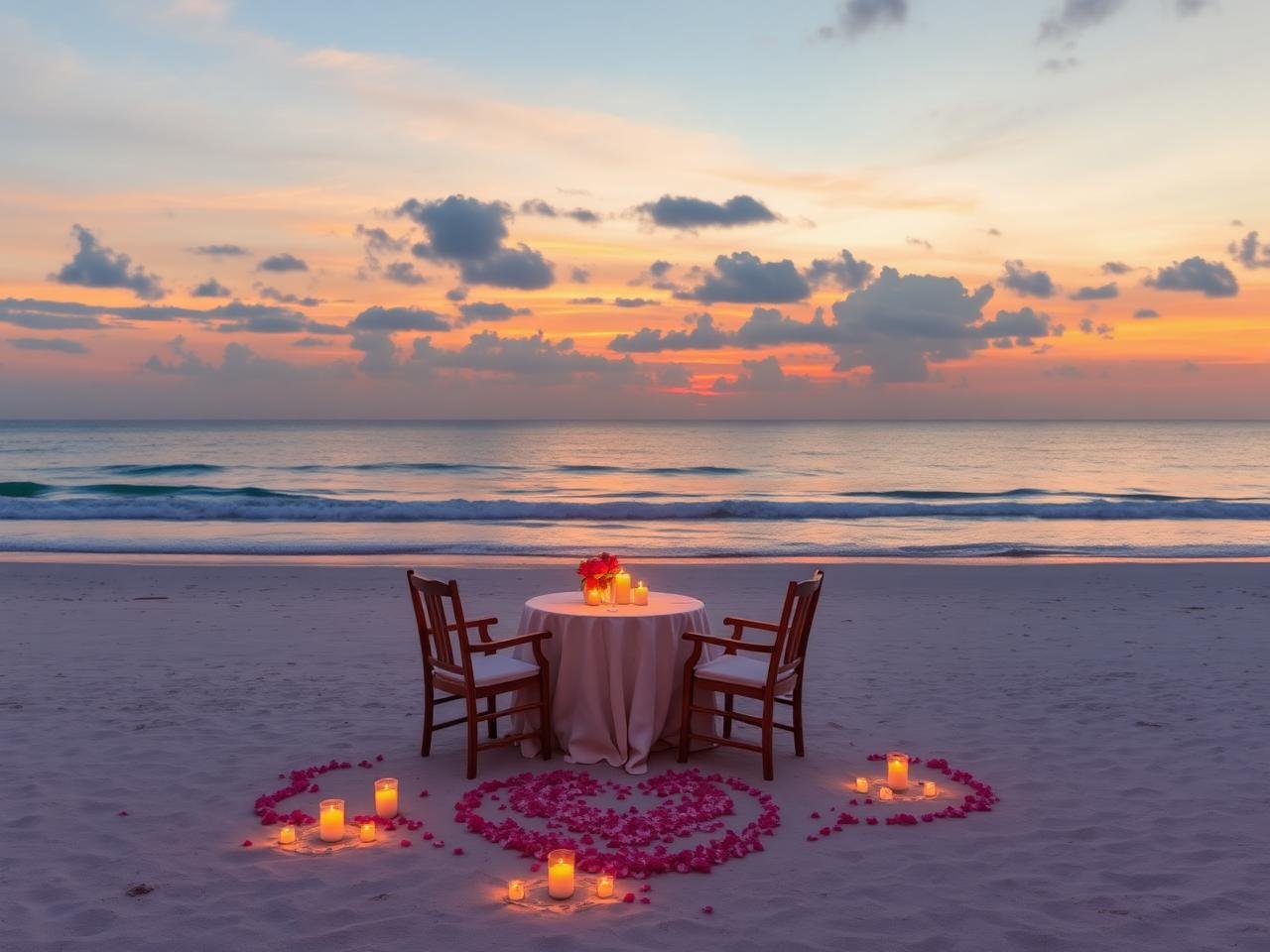
A long table set on the sand below the high-tide line, candles in glass jars, the day's catch grilled over coconut husk and a cold beer in hand as the day's last set rolls into the point.
Best Time To Visit
The calendar, in three movements.
May – September
The classical Arugam surf season. Offshore winds in the morning, consistent swell, dry skies and the bay at its full capacity. The single best window for the east coast.
April & October
Shoulder months with fewer surfers, smaller but still surfable waves, and very good value. A useful window for travellers who want the bay quieter and the lagoons fuller.
November – March
The northeast monsoon settles in. Swell becomes inconsistent, rains can be heavy, and most surf operators close. Not the recommended window for the bay, but Kumana itself remains accessible.
Luxury Accommodation
Where to stay.
Kottukal Beach House by Jetwing
Boutique beach villa · 10 suites
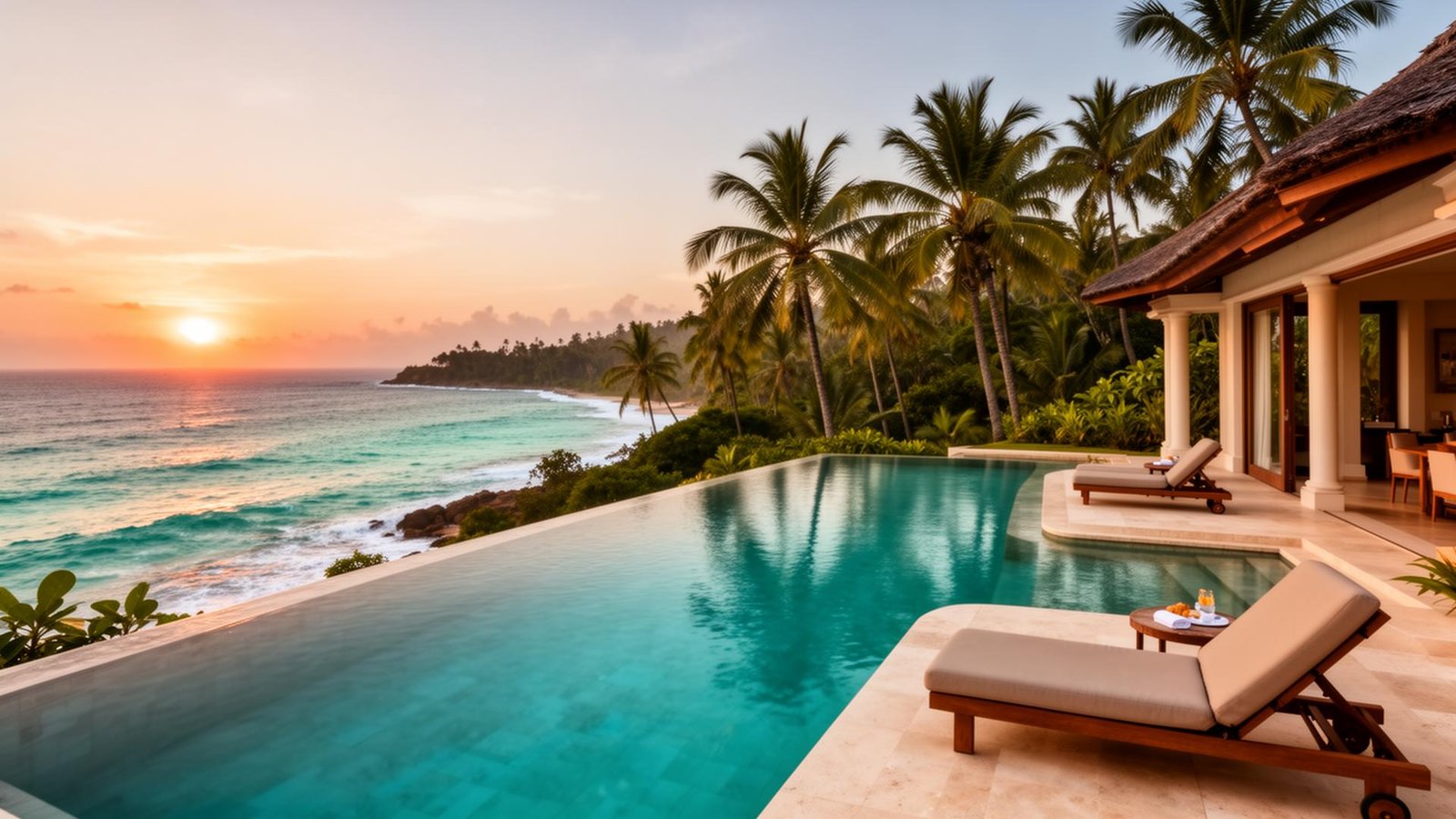
The most polished property in the bay — a small, owner-led beach villa with a private pool, an excellent kitchen and direct access to a quieter stretch of sand south of the main town.
Gecko Hotel
Surf boutique · Main Point
An owner-led boutique with eight rooms directly above Main Point — the closest serious base to the wave and a fixture of the international surf set.
Wild Coast Tented Lodge
Resplendent Ceylon · Yala extension
For travellers who want to combine Arugam with a luxury safari leg, the most theatrical tented camp on the island — four hours west via the inland highland route.
Travel Tips
Quiet wisdom from the road.
- ·
Book a private surf coach for the first two sessions rather than joining a group lesson — the difference in progress is substantial.
- ·
Kumana safaris run only at dawn and dusk; mid-morning visits return very little wildlife.
- ·
The lagoon is best at high tide; your boatman will time the charter for the right light and the right water.
- ·
Reef shoes are useful at the northern end of the bay where the point breaks over flat rock at low tide.
- ·
The bay closes down in October — confirm your dates with your villa before booking flights.
Gallery
A few frames.
Shall we begin?